Stone looks. Concrete strength.
Stamped concrete gives you the look of natural stone, slate, brick, or wood — at a fraction of the cost, in a single solid slab. We pour, color, stamp, and seal it as one system, built for Houston heat and Gulf Coast rain.
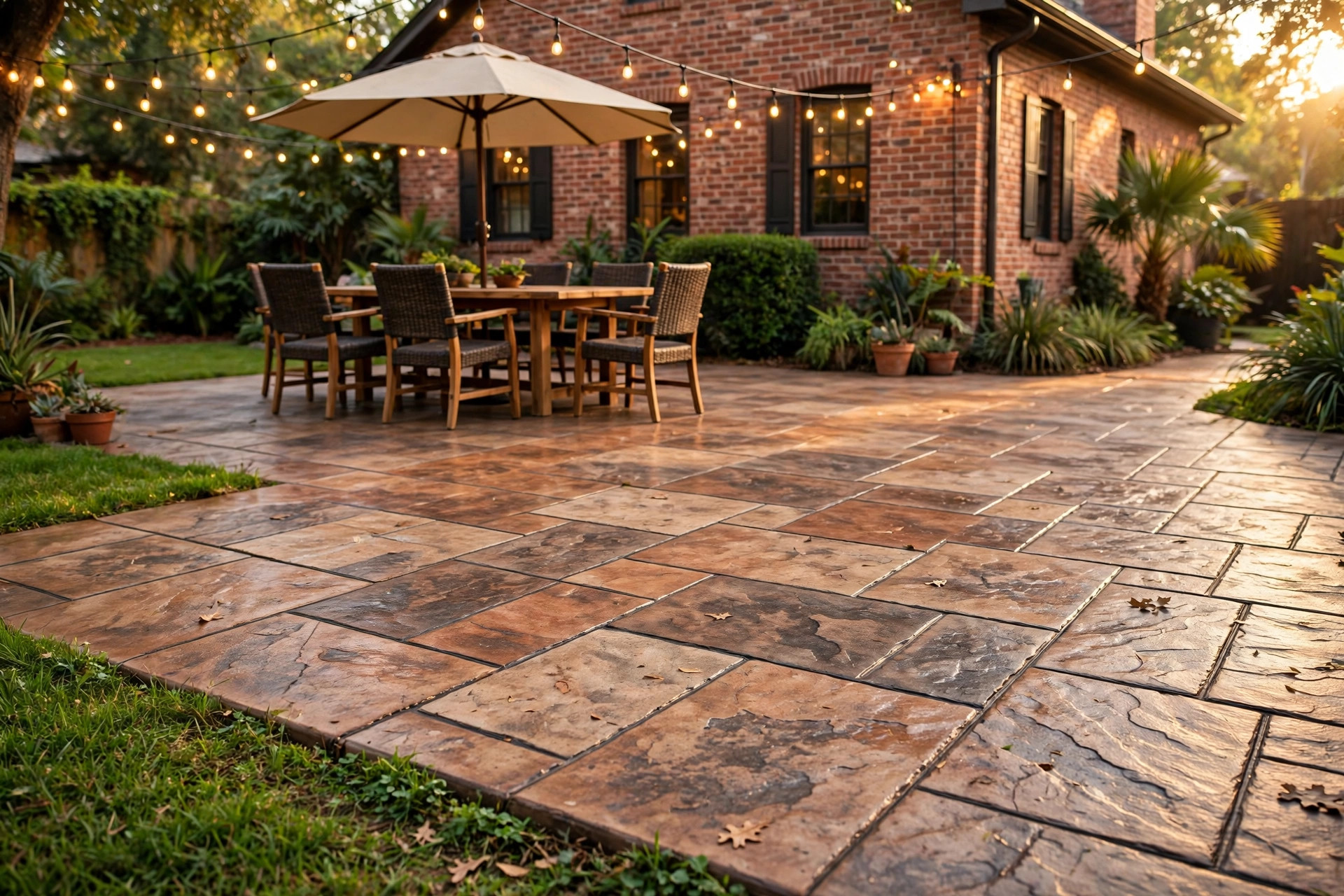
Integral color
Color mixed through the entire slab — not painted on. The base tone runs all the way through, so normal wear never reveals gray concrete underneath. Earth tones, charcoals, warm reds: you pick from a full color chart.
Color hardener
A dry-shake hardener worked into the surface while the concrete is fresh — deeper, richer color plus a harder, more wear-resistant finish. This is what gives high-end stamped work its depth.
Stamp patterns & antiquing
Slate, ashlar, cobblestone, brick, wood plank — the stamp mats press the texture in, then an antiquing release adds the second accent color that settles into the low spots. That contrast is what makes it read as real stone.
Seal & cure
A quality cure-and-seal locks the color in, deepens the tone, and protects against Houston sun, rain, and pool chemicals. We seal every job — and resealing every few years keeps it looking new.
It’s the antiquing that sells it.
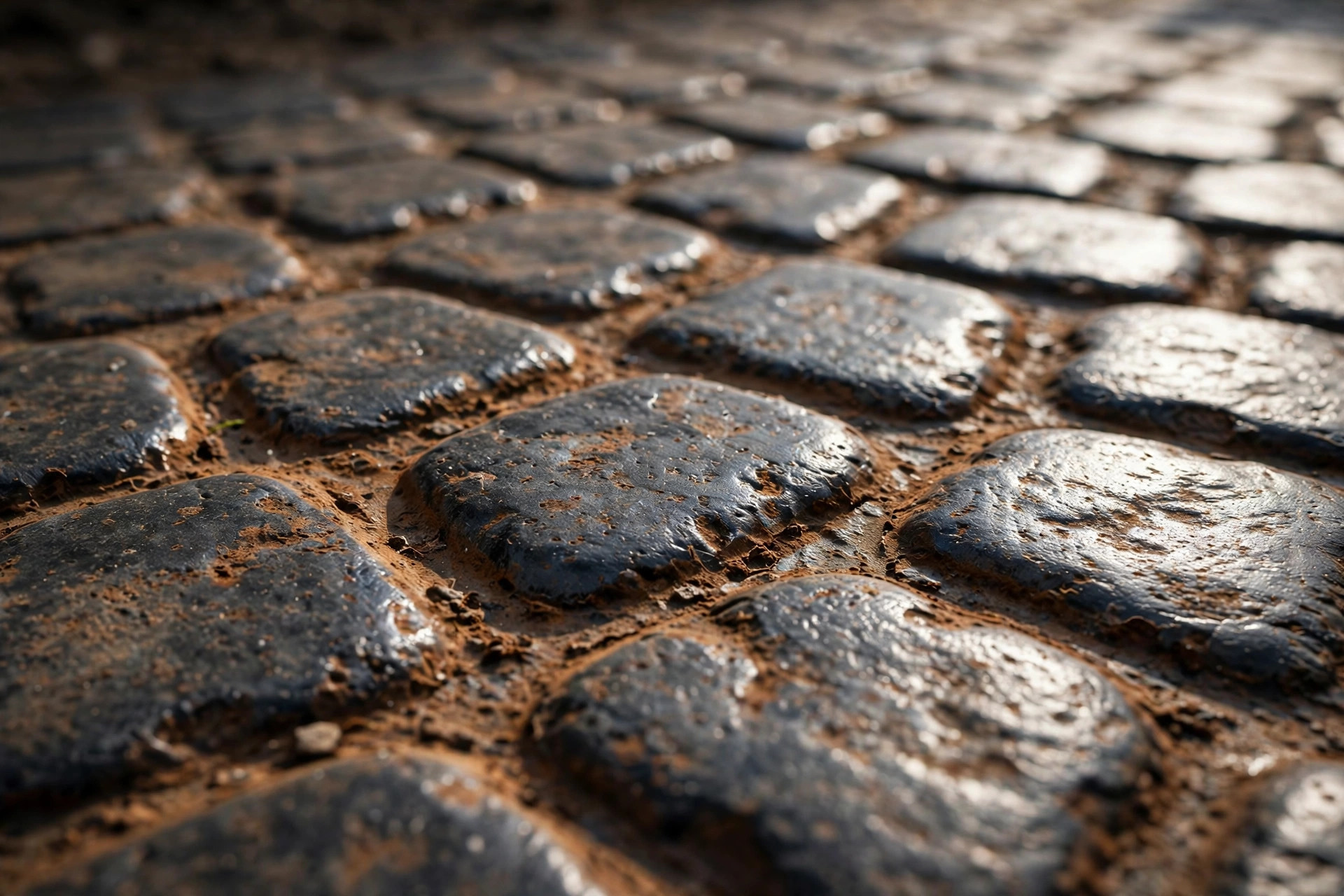
One color looks flat. Two colors look like stone. The accent release we broadcast before stamping stays in the texture joints after the excess is washed away — that’s the aged, natural variation you see in real cobblestone and slate.
Patios, driveways, and everything between.
Anywhere you’d pour concrete, you can stamp it. The most popular jobs:
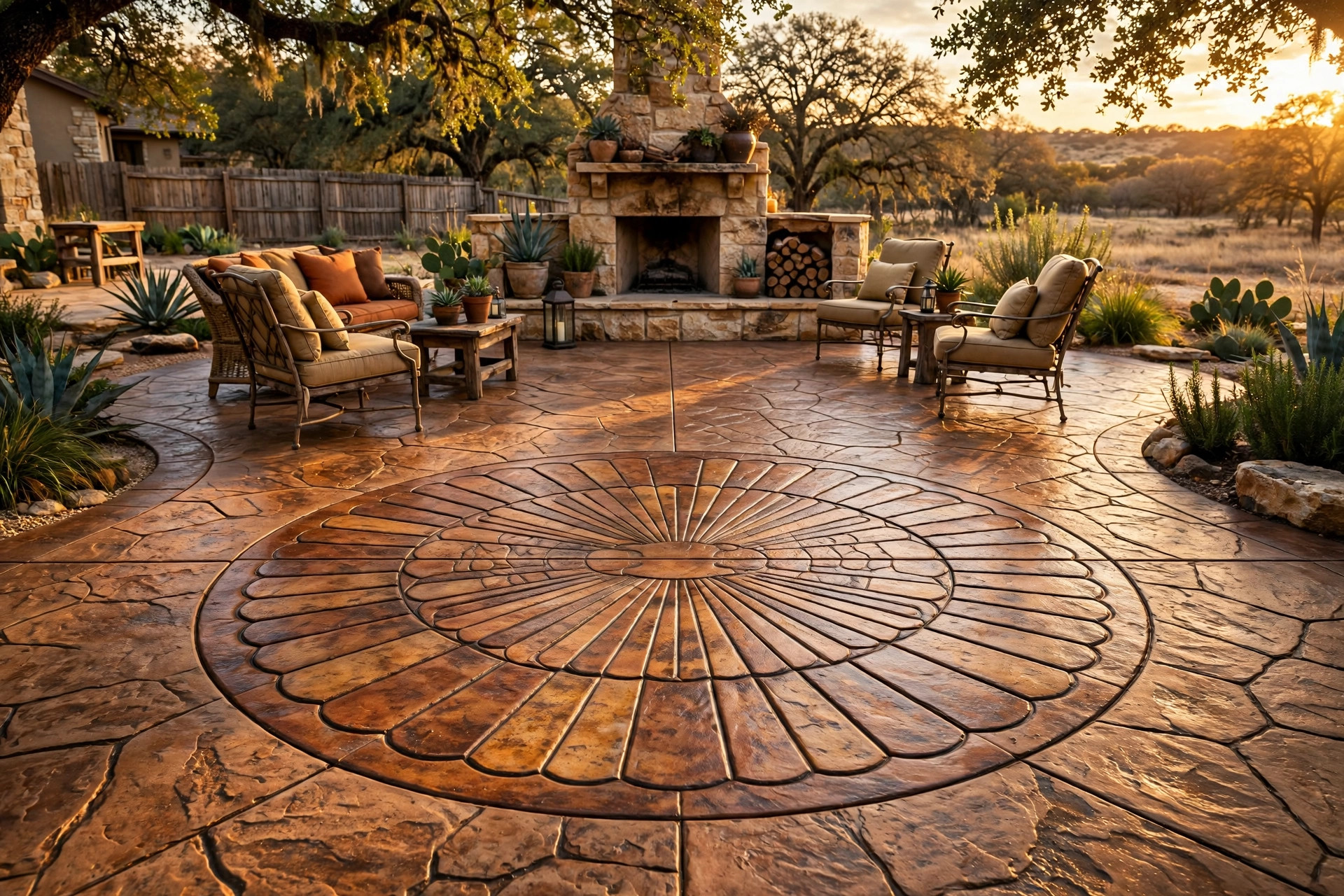
- Patios & courtyards — the classic: a stone-look patio that costs far less than real stone.
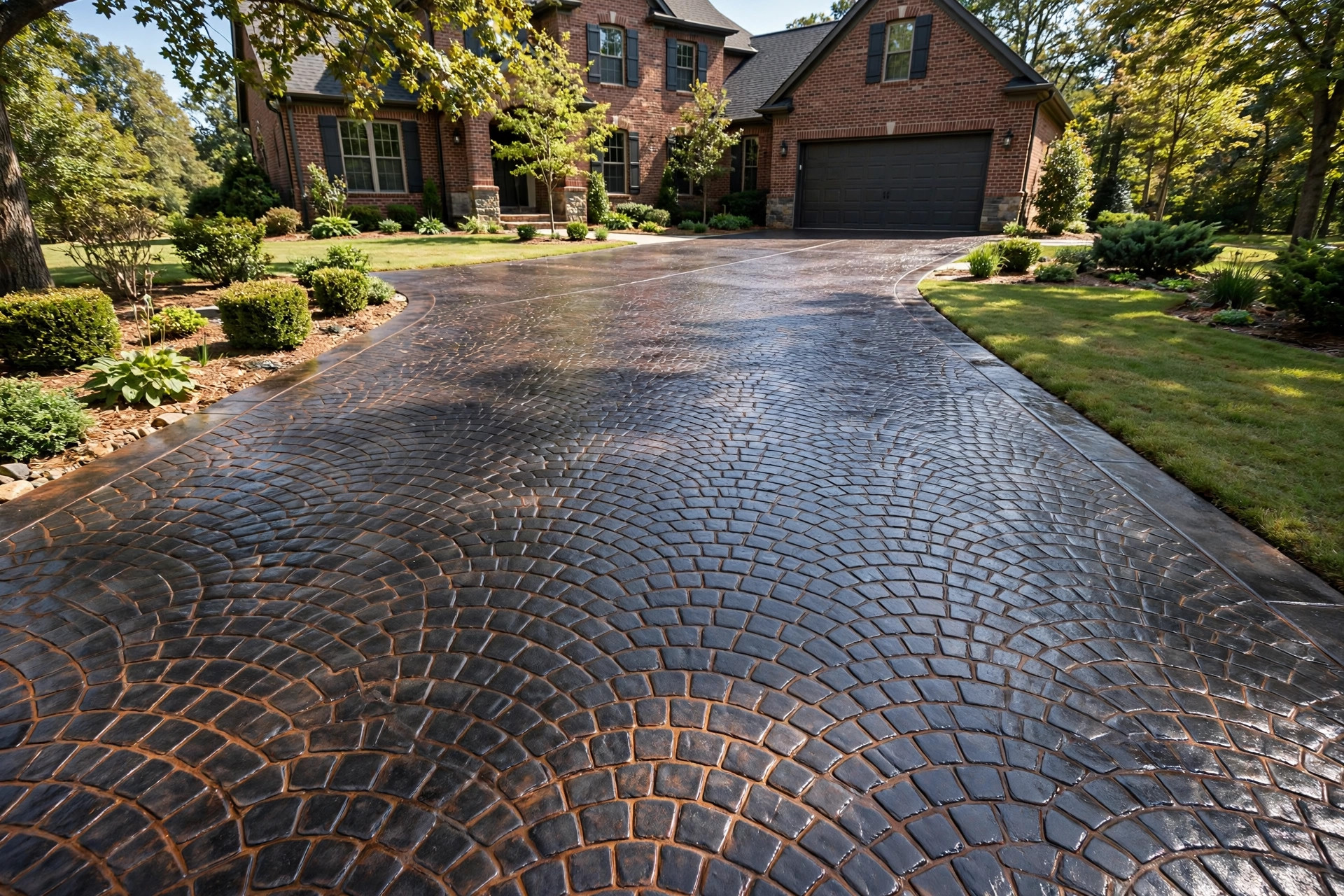
- Driveways — cobblestone or ashlar patterns that stand up to cars and turn the whole front of the house up a notch.
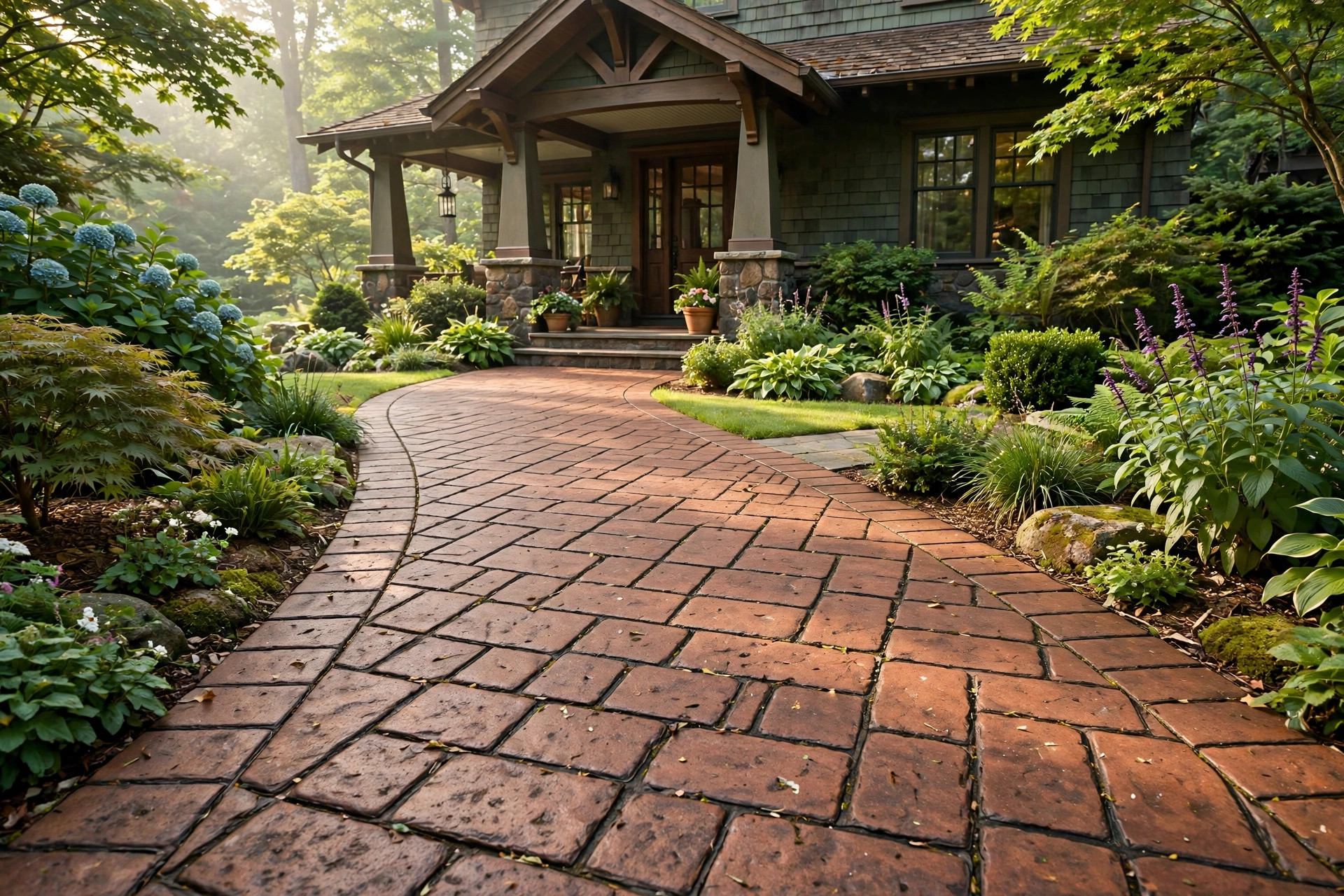
- Walkways & entry paths — brick and slate patterns that tie the driveway to the front door.
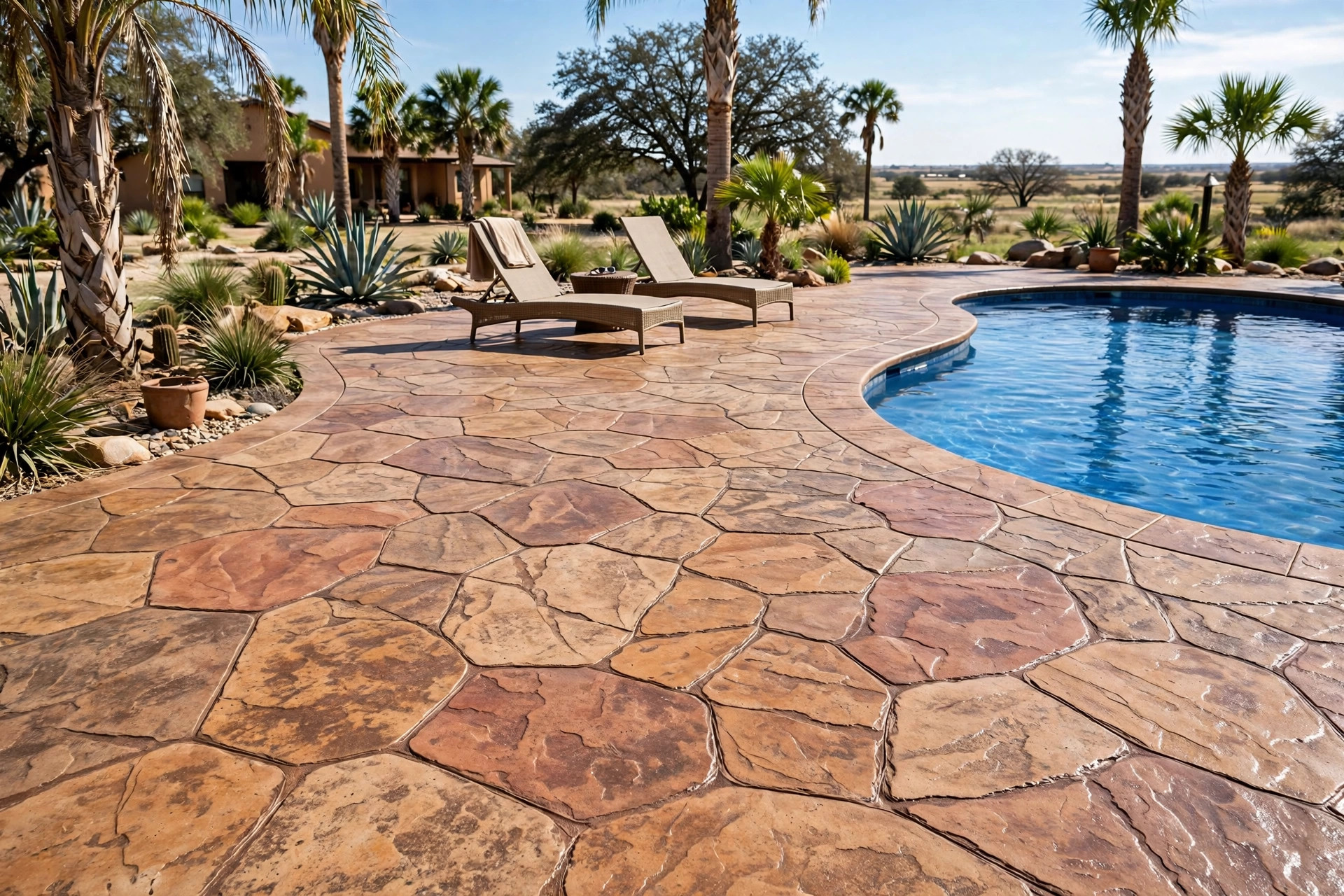
- Pool decks — wood-plank and stone textures with the right sealer for wet feet and pool chemicals.
How we do it — and why the crew matters.
A patio costs real money, and we take your money seriously. We don’t just pour something and walk away — we build your concrete to last. No honest contractor can promise nothing will ever happen, but a slab with rebar tied in and the base done right is far stronger than a plain pour without it. That’s the difference between concrete that goes bad in a few years and concrete that stays good for decades.
Stamped concrete is unforgiving: one continuous pour, and every step has to land. The stamp window is minutes wide, the color is permanent, and the base is buried — you can’t see shortcuts until they fail. That’s why who pours it matters as much as which pattern you pick.
1. 3D design first
Before a single truck arrives, you see your concrete in 3D — the exact pattern, the colors, the layout against your house. It’s part of our 3D design service: you approve the look before we pour a drop.
2. Base prep
We excavate and compact a proper base for Houston’s clay soils. Most concrete failures start underground — shortcuts here show up as cracks and sinking within a year or two.
3. Form, rebar & pour
Forms set to grade with slope for drainage. Then we tie steel rebar into a grid and chair it up mid-slab — that’s where the tension lives, so the whole slab works as one piece instead of cracking apart. Where the new concrete meets your existing slab or the house foundation, we drill and dowel rebar straight into it, locking old and new together so they can’t separate or settle at different rates.
4. Color
Integral color through the mix, color hardener worked into the fresh surface. The color goes all the way through the slab — not painted on top.
5. Stamp at the right moment
This is the craftsmanship: the mats go down in a narrow window. Too early and the texture is mush; too late and it won’t take the impression. One pour, one shot — there is no redo.
6. Antique, cut, cure & seal
Accent release for depth, control joints cut where we want any movement to go, then a full cure and a quality sealer to lock the color in.
A slab you can put a patio cover on.
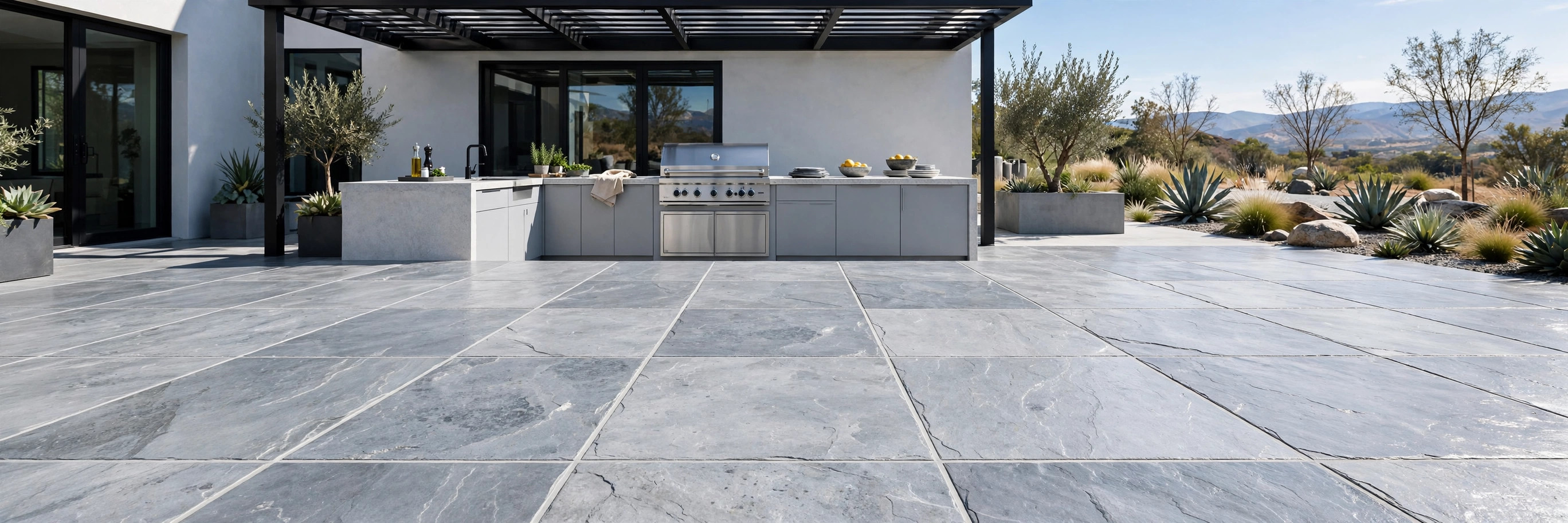
Because it’s one structural concrete slab — not loose units — you can anchor a patio cover, pergola, or outdoor kitchen right into it. Posts set solid, nothing shifts under them. Plan the patio now and add the cover when you’re ready; we’ll design for both from day one.
Same stamp, endless colors.
The pattern is only half the design — the coloring is what makes it yours. We color through the mix, work hardener into the surface, and antique the texture so every stone reads with depth. Natural grays, warm earth tones, rich browns, reds, sand tones — or we match the color to your house, your brick, your style. You pick it in the 3D design before we ever pour.
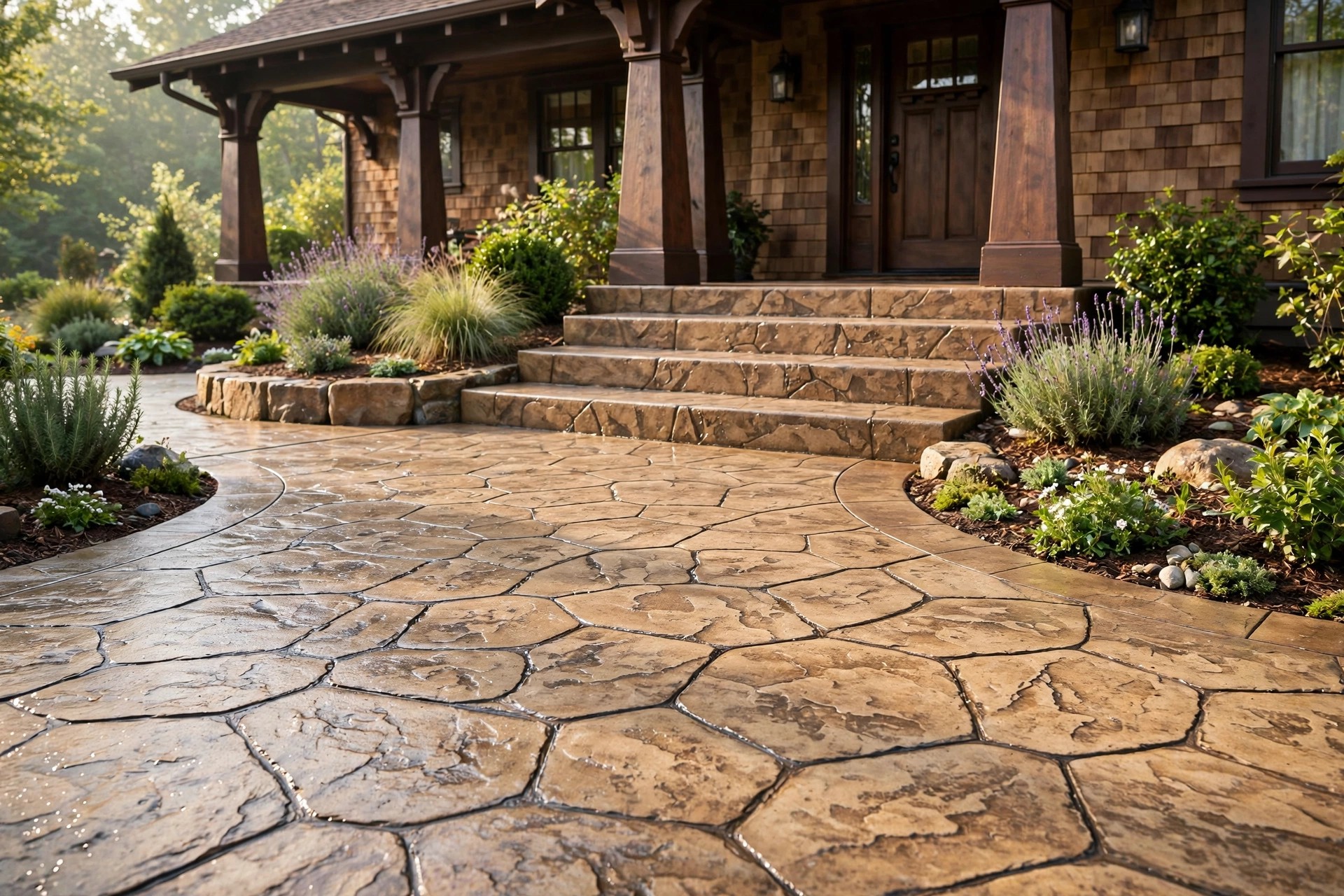
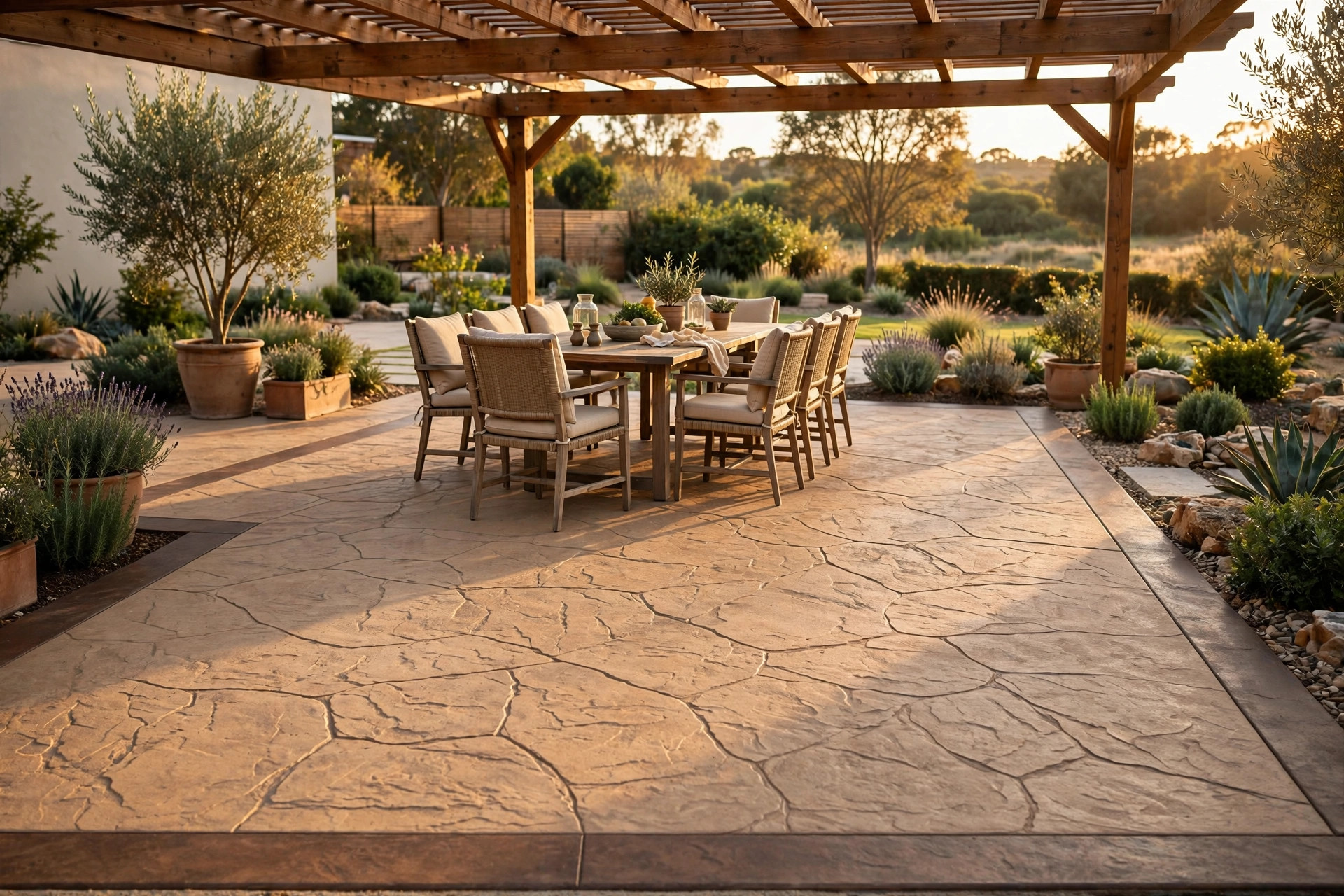
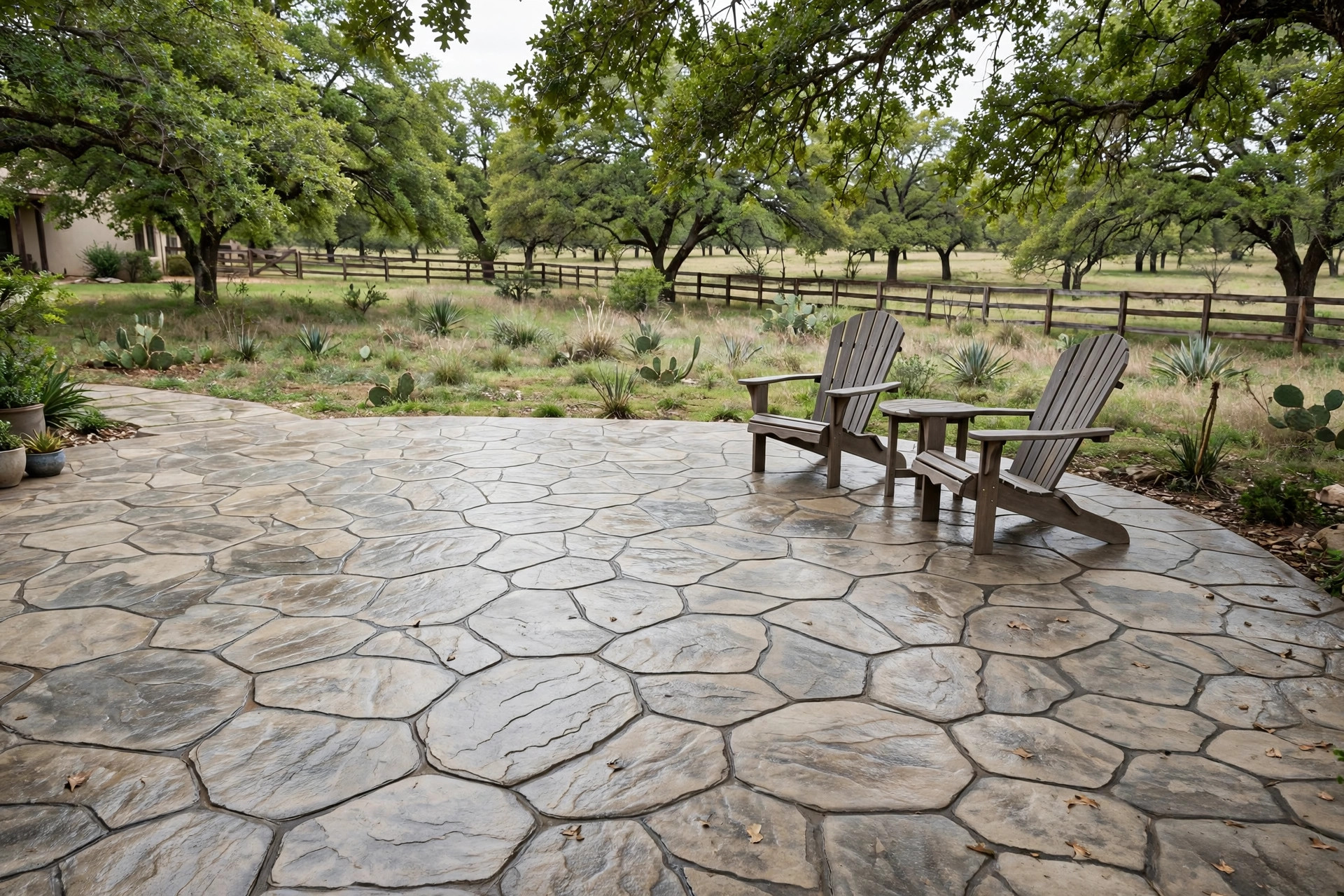
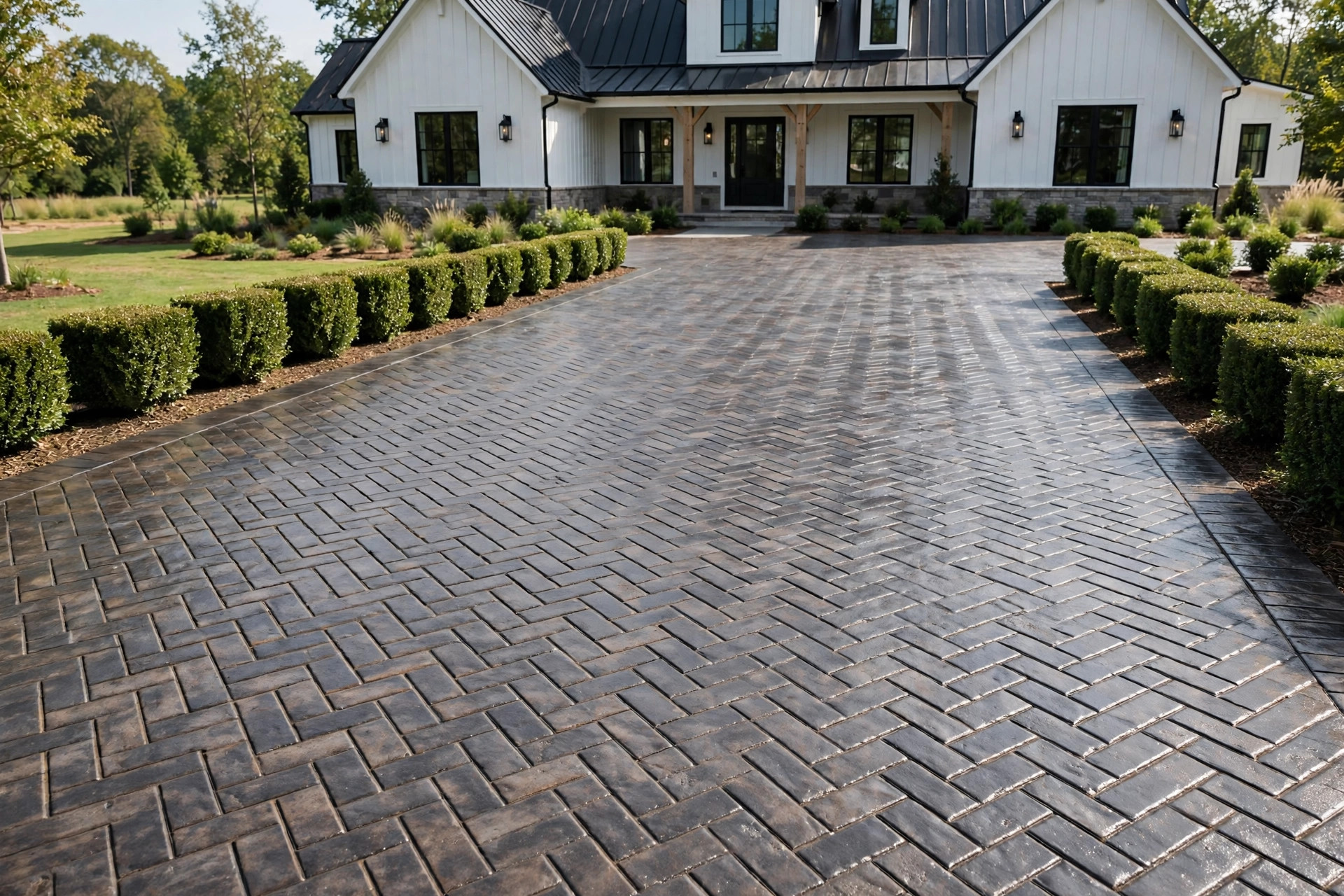
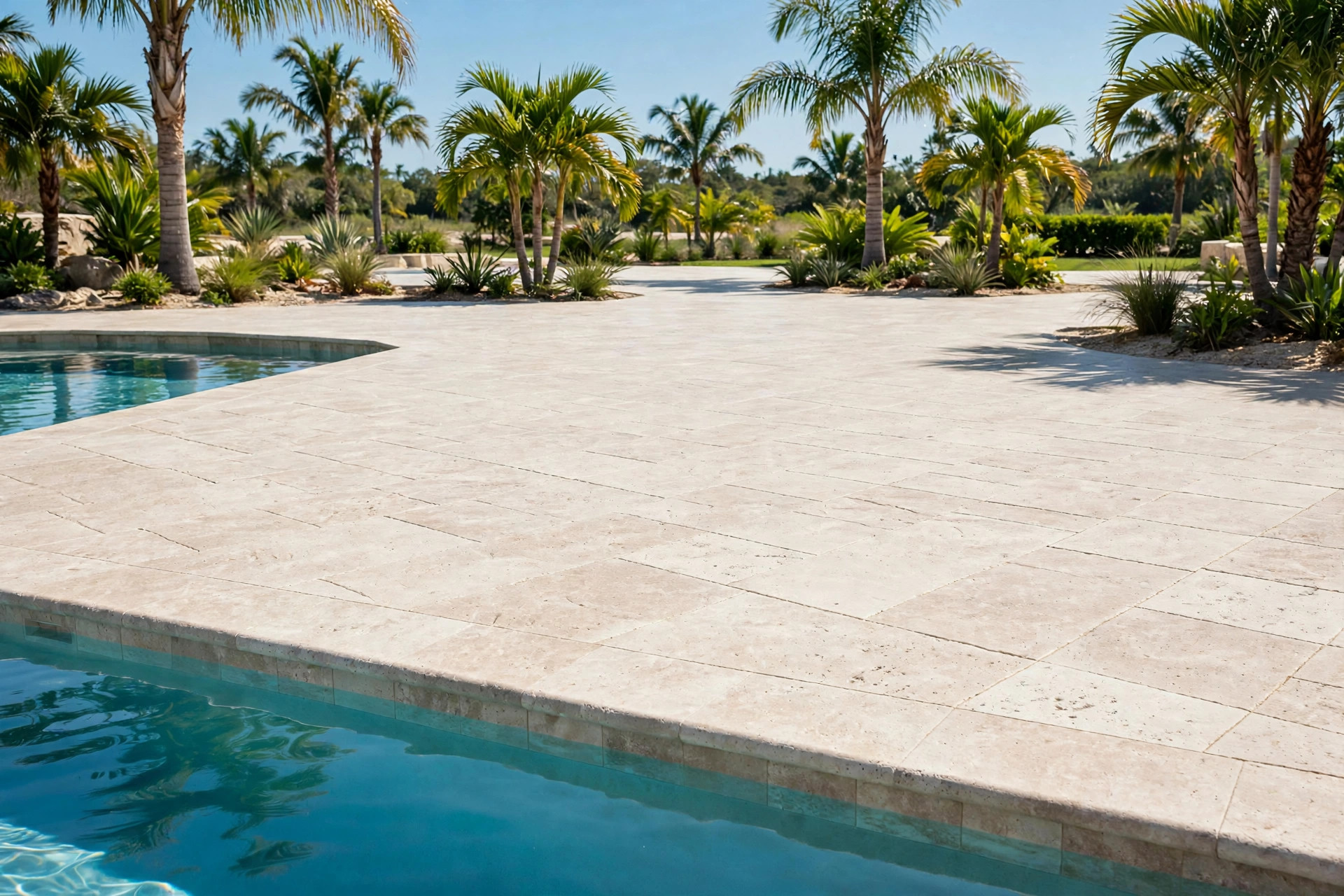
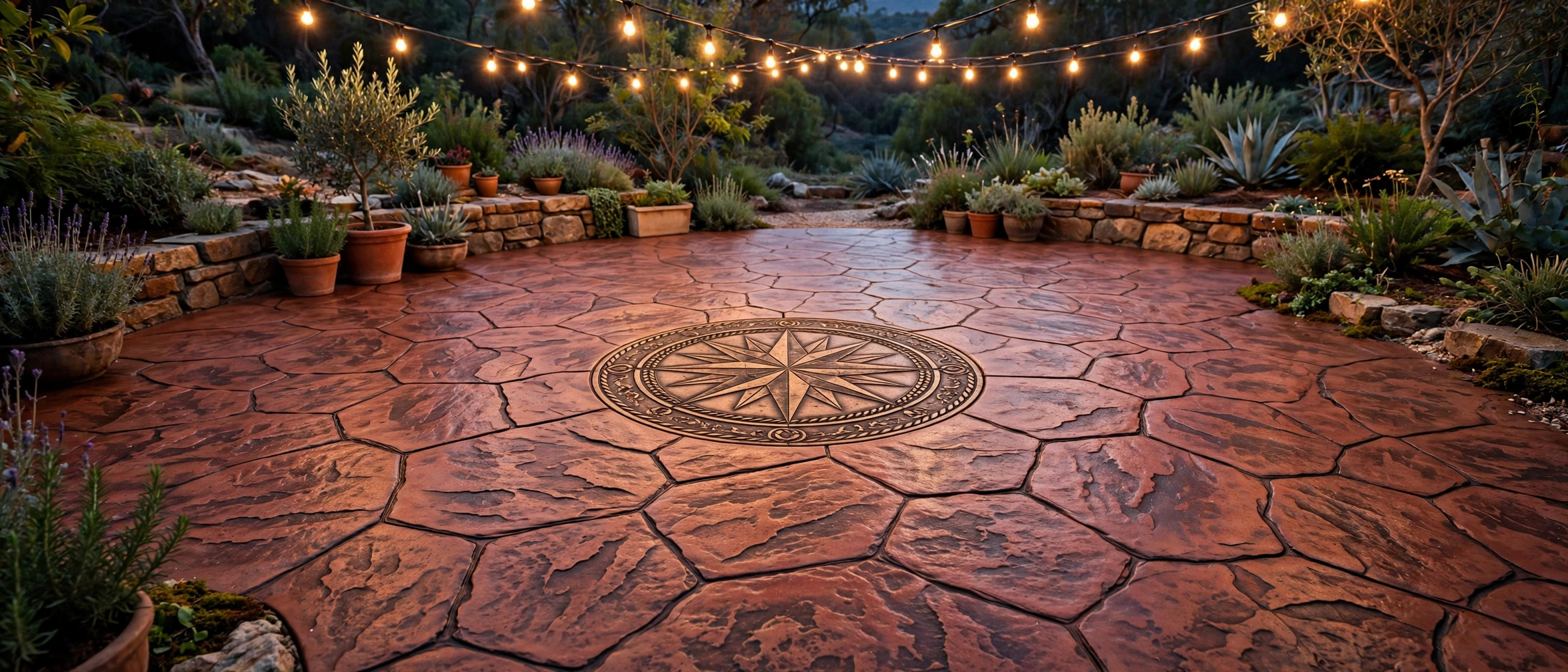
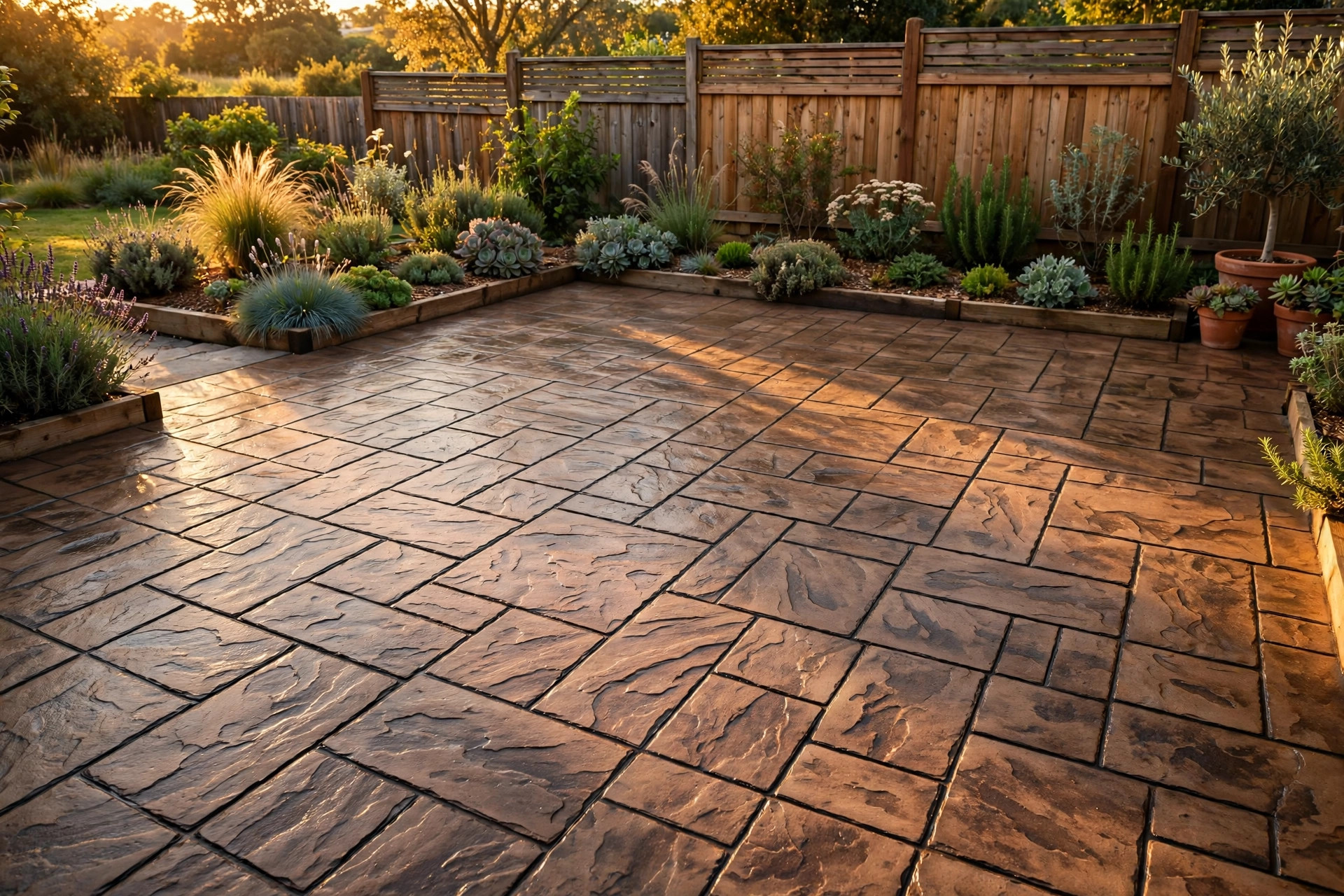
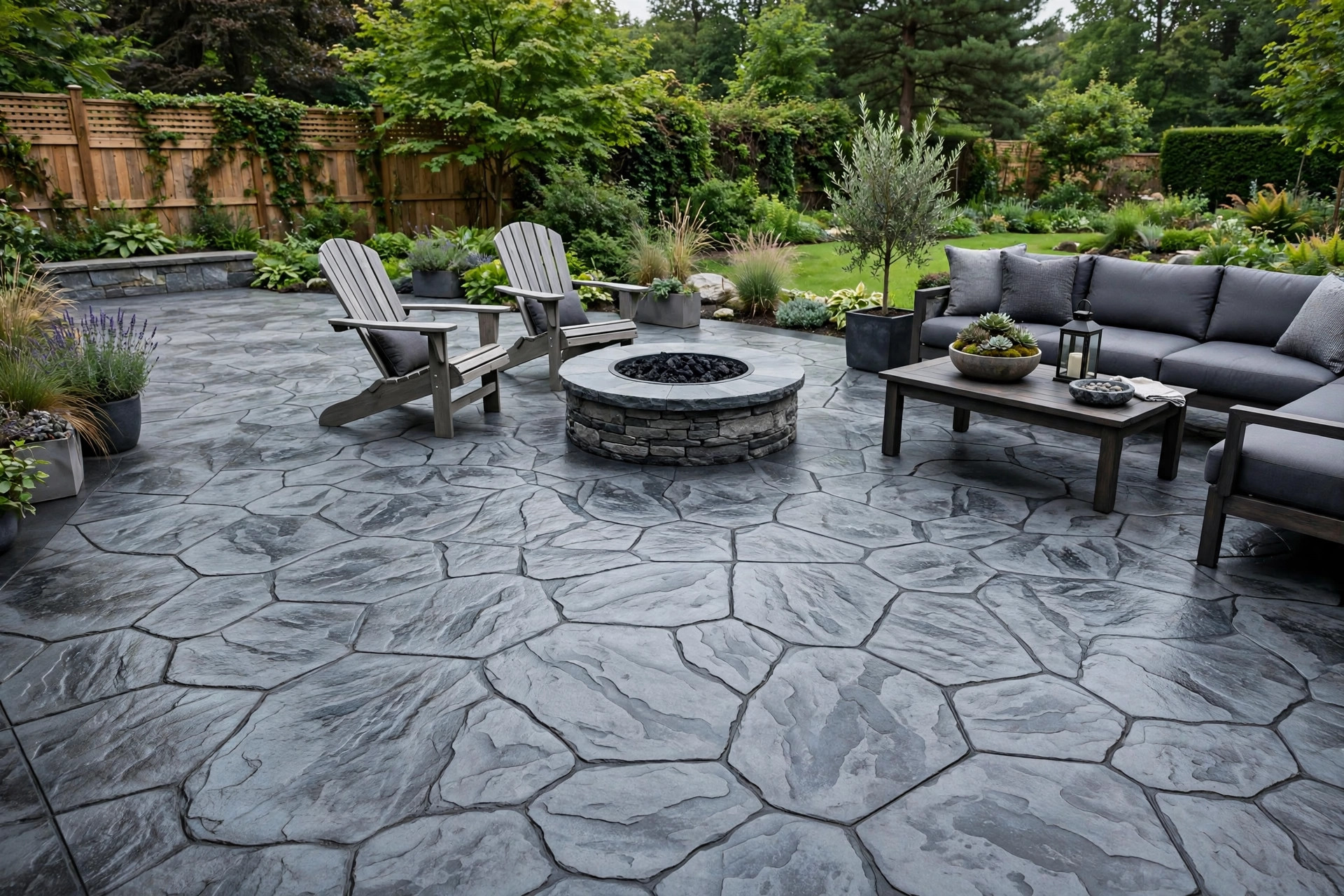
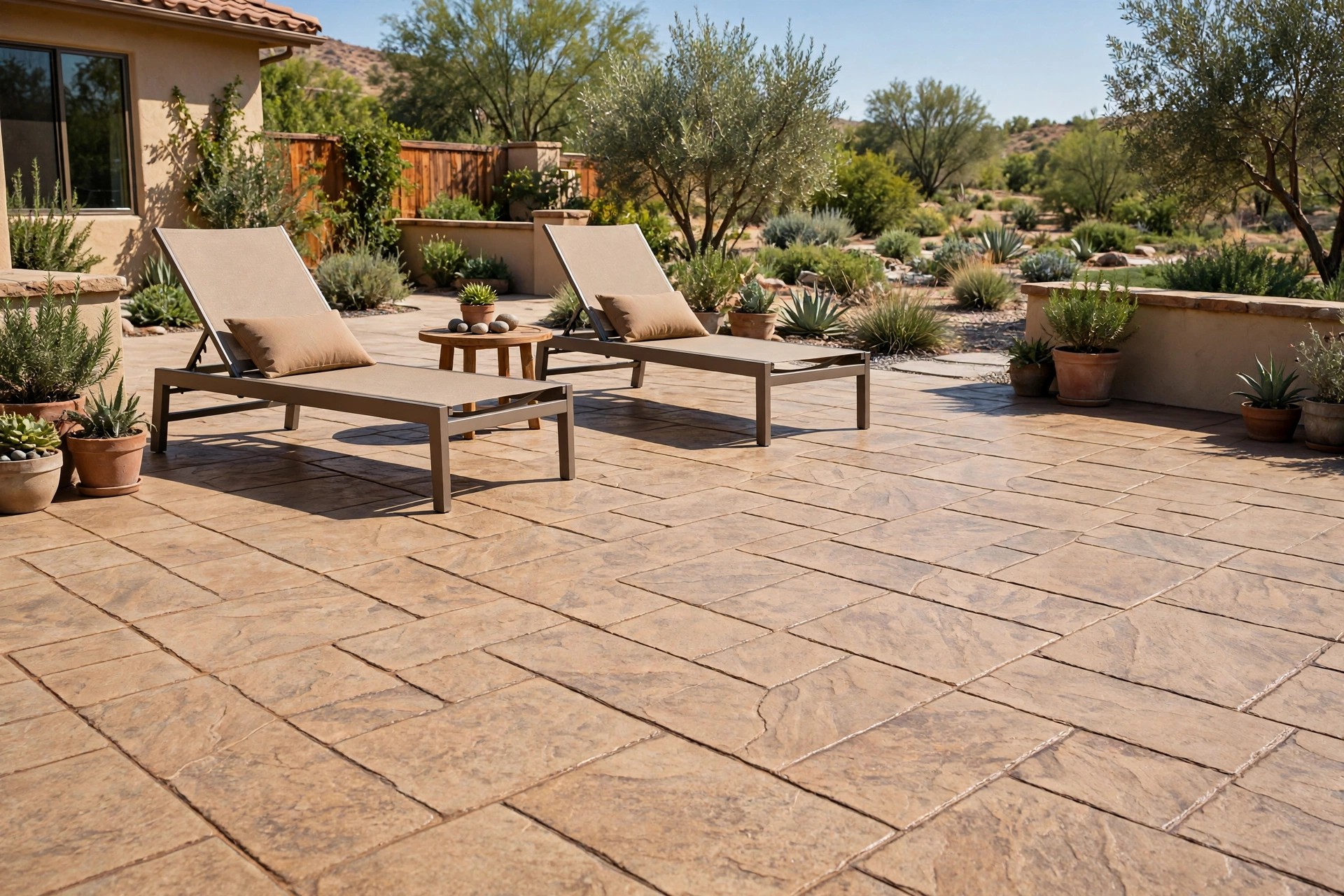
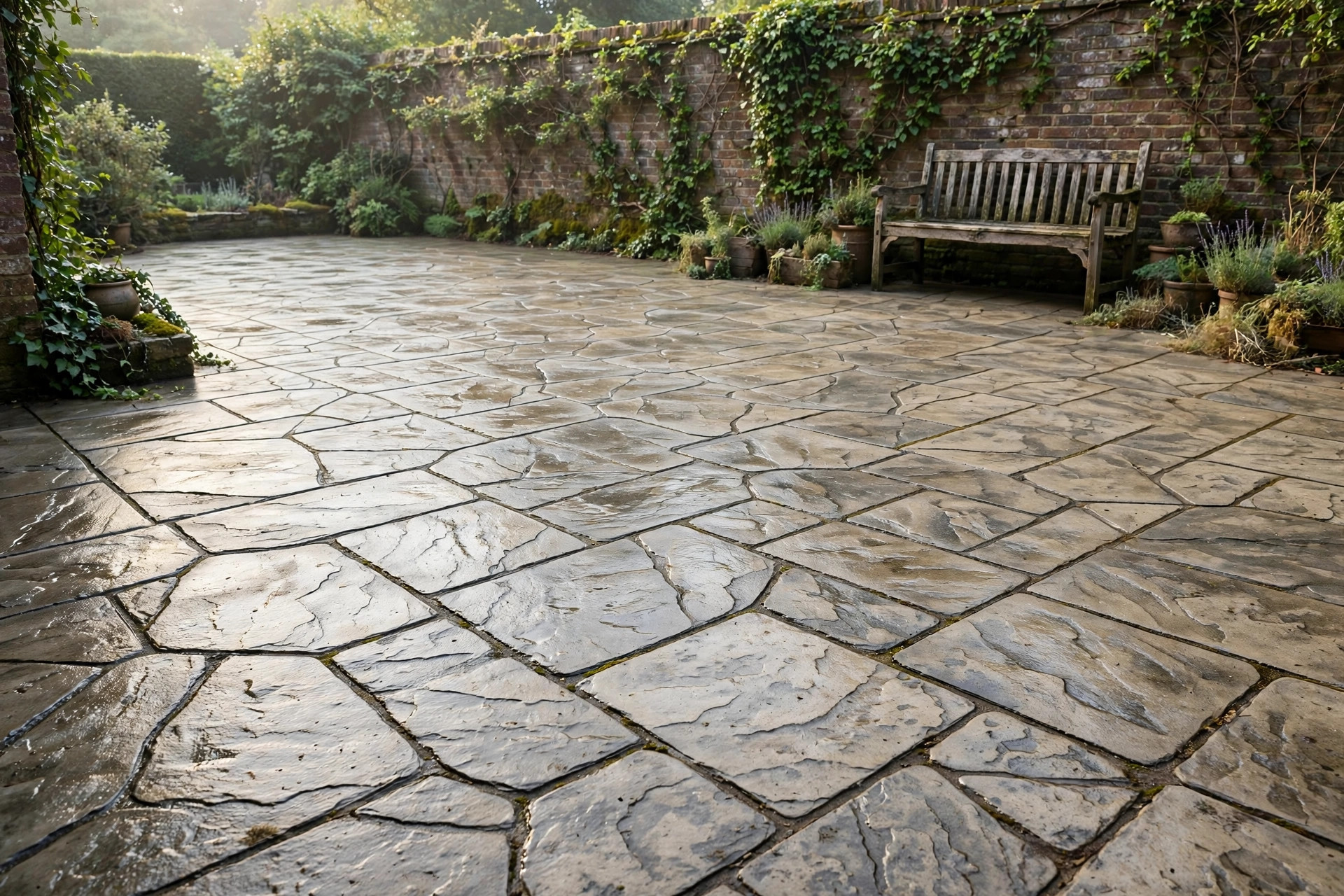
Pattern & color ideas.
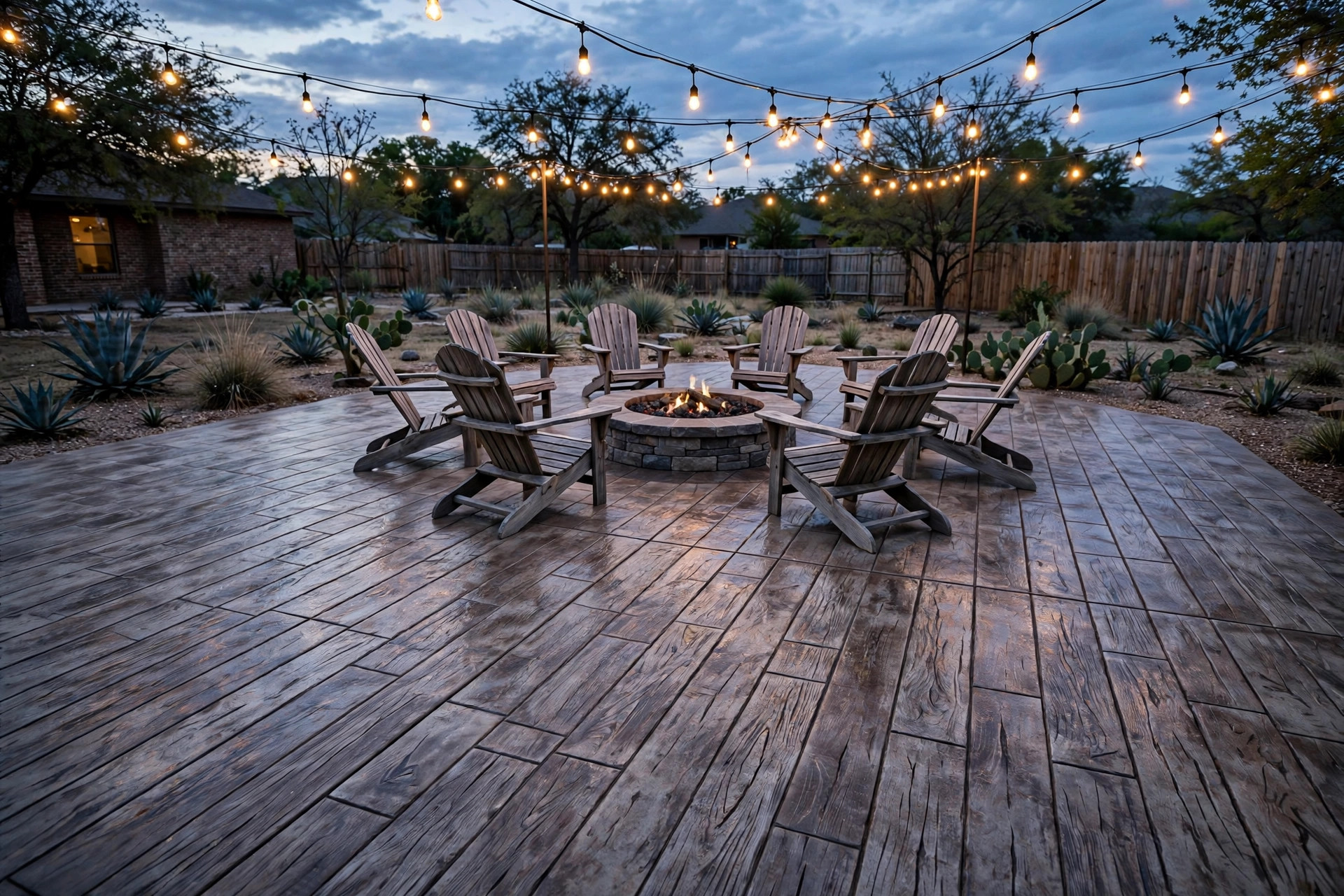
Design ideas for inspiration — AI-generated concepts, not photographs of completed IM Remodeling projects. Send us a photo of your yard and we’ll talk through which pattern fits it.
Caring for your investment
Reseal every two to three years — that’s the whole maintenance program. Wash with a garden hose and mild soap; skip harsh acids and pressure-washer abuse on the sealer. We offer resealing as a service when the time comes.
Questions, answered
Will stamped concrete crack?
Concrete can crack — we plan control joints so it cracks where we want it: hidden along the pattern lines. Proper base prep and reinforcement keep it stable on Houston’s shifting soils.
How long does the color last?
The color runs through the slab and sits locked under sealer. With resealing every few years, it holds for decades — the sealer is the maintenance, not the color.
Can you stamp over my existing concrete?
Often, yes. With a stampable overlay we can resurface a sound existing slab with a fresh stamped finish instead of tearing it out. We’ll check your slab’s condition first.
Stamped concrete or pavers — which is better?
For big areas, stamped usually wins: lower cost per square foot, a seamless stone look with no joints for weeds to colonize, and a structural slab you can build a patio cover on later. Pavers repair in pieces if the ground ever moves. We’ll price both for your yard and tell you straight which fits.
Do you use rebar?
Yes — rebar in every pour. Houston and the surrounding areas sit on expansive clay soils, and the ground here moves a lot — swelling when it’s wet, shrinking when it’s dry. That’s exactly why the slab has to be strong. Steel bars tied into a grid and set mid-slab, right where the tension is, so the whole slab moves as one piece instead of cracking apart. And where your new concrete meets existing concrete — a driveway, the house foundation, an old patio — we drill and dowel rebar into the existing slab to tie them together. No separation, no lip forming between the two.
Can I add a patio cover over it later?
Yes — that’s one of the best reasons to choose stamped. The slab is structural, so cover posts and outdoor kitchen footings anchor right into it. Tell us your future plans and we’ll pour it ready for them.
How much does stamped concrete cost?
Depends on size, pattern, and coloring. Book a consultation for exact pricing — it’s free.